3 September 2026
Distributor Tips for Drummers: Drumstick Tip Shapes in 5 Minutes
Distributor Tips for Drummers: Drumstick Tip Shapes in 5 Minutes
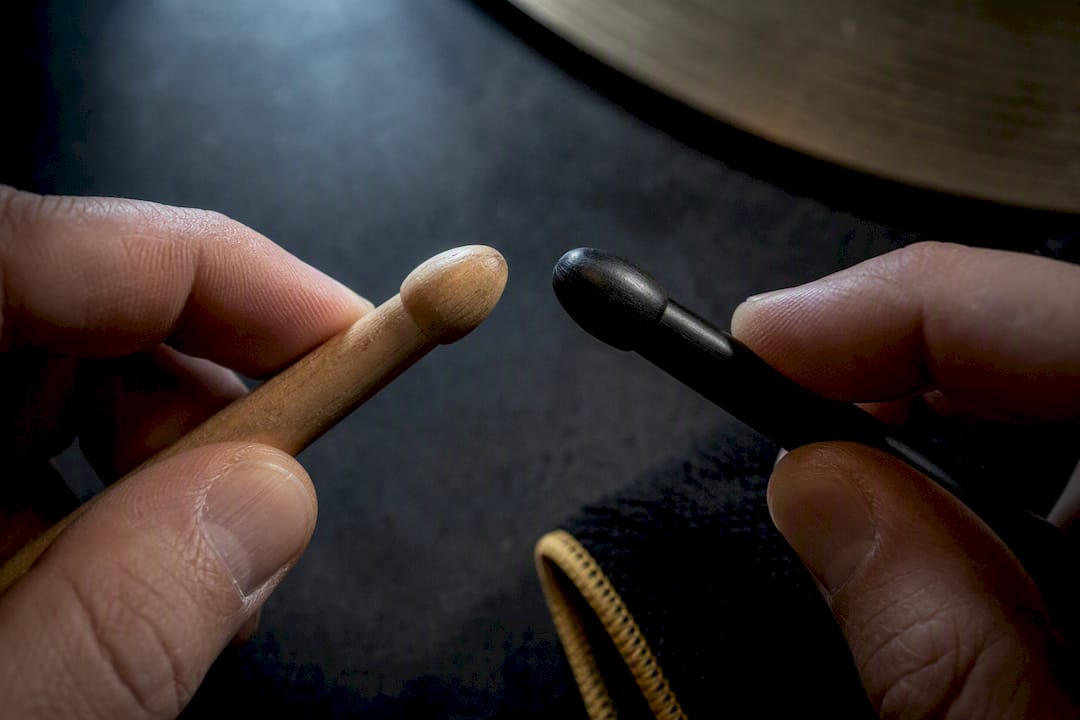
The five common drumstick tip shapes, round, oval, acorn, barrel, and teardrop, each change how a stick reads on cymbals and drums by altering how much wood or nylon actually touches the surface. Round tips give you a bright, focused ping and fast rebound. Oval tips split the difference and work almost everywhere. Acorn tips add warmth and wash. Barrel tips push volume and punch. Teardrop tips shift character depending on the angle you strike with. Wood tips sound warmer; nylon tips sound brighter and last longer.
TL;DR:
- Round tips offer focused attack and fast rebound, ideal for jazz and precision cymbal work, but less volume compared to barrel or acorn tips.
- Nylon tips deliver consistent sound and durability, making them preferred by touring drummers, while wood tips provide warmer tone but wear unevenly over time.
- Larger contact surface tips, like acorn and barrel shapes, produce warmer, fuller tones or higher volume, usually favored in rock or loud environments.
- Tip shape effects cymbal articulation more strongly than drumhead feel, with small tips producing “ping” and wider tips creating “wash.”
- Testing different tip shapes on the same cymbal with paired sticks helps identify the best fit for your style, volume, and kit role.
Table of Contents
- Understanding Drumstick Tip Shapes and Why Geometry Matters
- Wood vs Nylon: Choosing Your Tip Material
- How Tip Shape Changes Cymbal Articulation and Rebound
- Matching Tip Shape to Genre, Volume, and Kit Role
- Testing Tip Shapes: A Simple A/B Method
- A Distributor’s View on Tip Shape Selection
- Get Your Hands on the Right Tip Shape
- Sources
Understanding Drumstick Tip Shapes and Why Geometry Matters
Every tip shape puts a different amount of surface area in contact with a drumhead or cymbal bell at the moment of impact. That single variable, contact area, drives almost everything you hear and feel from a stick. A smaller contact patch concentrates energy into a tighter spot, which reads as a brighter, more defined attack. A larger patch spreads that same energy out, softening the attack but thickening the tone.
The industry generally sorts tips into five categories, a taxonomy Drumeo and other drum educators use consistently:
- Round or ball tips hit with a small, precise point of contact. Expect a focused, articulate cymbal ping and a fast rebound off drumheads. Jazz players lean on round tips constantly because ride cymbal clarity matters more than raw volume in that context.
- Oval tips widen the contact area slightly without going extreme in either direction. This is the most versatile shape on the market, sitting comfortably between the brightness of round and the fullness of acorn or barrel.
- Acorn tips carry a rounded, bulb-like profile that spreads contact broadly. The result is a warmer, fuller sound with more cymbal wash, meaning the overtones bloom and linger rather than cutting off sharply.
- Barrel tips are flat-faced and wide, offering the largest consistent contact surface of the common shapes. That surface translates into punch and volume, which is why barrel tips show up so often in rock and metal settings.
- Teardrop (or drop) tips taper to a point but flare outward, so the sound actually changes depending on whether you strike dead center or catch the edge. That variability makes teardrop tips flexible but slightly less predictable than the others.
Tip size compounds all of this. A small round tip pushes articulation to its extreme; a large acorn or barrel pushes fullness to its extreme. Drum! Magazine also notes that oval tips tend to cover the widest sonic range on their own, which is part of why so many manufacturers default to oval as the “standard” tip on general-purpose sticks.
Wood vs Nylon: Choosing Your Tip Material
Material changes the conversation as much as shape does. Wood tips, almost always the same hickory, maple, or oak as the shaft, produce a warmer, more organic tone on cymbals and drumheads. They also wear unevenly: chips and flat spots develop over time, and each change in surface shifts the tone slightly.
Nylon tips have been commercially available since around 1958, and they solved a real problem: consistency. Every nylon tip off the mold sounds nearly identical to the next, and the material resists wear far longer than wood. The tradeoff is a brighter, sometimes harder-edged attack, and nylon tips can occasionally separate from the shaft under heavy, sustained playing.
- Wood tips: warmer tone, wears into a personal character, splinters and chips affect sound as they age
- Nylon tips: brighter and more consistent pair to pair, more durable, can pop loose under extreme stress
- Rubber practice tips: quiet, low-rebound, used mainly for silent practice pads rather than live playing
- Acetal or polymer tips: occasionally used on specialty or marching sticks for a hybrid of durability and tone
Statistic to know: nylon tips have been on the market for roughly seven decades, and that longevity is exactly why they remain the default choice for touring drummers who need pair-to-pair predictability night after night.
Check nylon tips for hairline cracks at the base where the tip meets the shaft. A small tube of adhesive in your stick bag lets you reattach a loose tip mid gig rather than losing a pair entirely.
How Tip Shape Changes Cymbal Articulation and Rebound
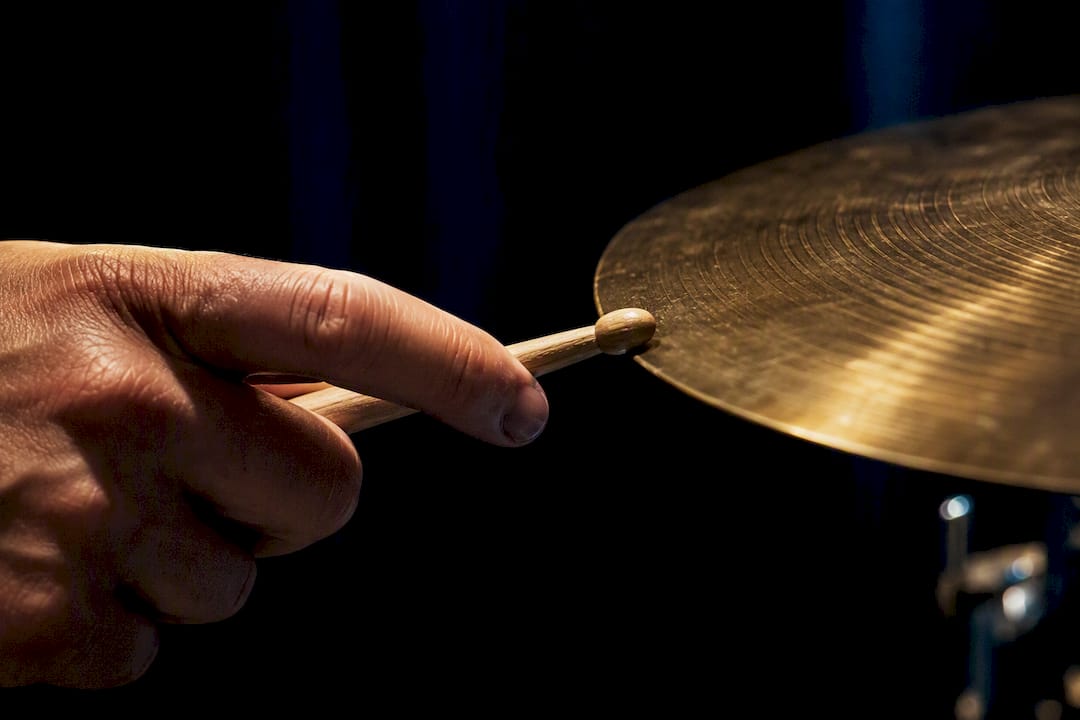
Cymbals are more sensitive to tip contact than drumheads are, which is why professional drummers often choose a tip shape based on how it sounds on their ride before they ever think about the snare. A small, round tip produces “ping,” a tight, defined attack with clear stick sound riding on top of the cymbal’s fundamental tone. A wider tip, acorn or barrel, produces “wash,” where the attack softens and the cymbal’s overtones spread out and blend together.
Three factors interact to shape what you feel under your hands:
- Tip geometry sets the baseline contact area and therefore the baseline brightness or fullness.
- Taper length affects how much the stick flexes before impact; longer tapers generally increase bounce and complement smaller tips built for speed, while shorter tapers favor power and pair naturally with larger tips.
- Stick weight either reinforces or dampens the tip’s natural tendency, so a heavy stick with a small tip can still feel controlled, while a light stick with a barrel tip can feel top heavy.
Session drummers sometimes swap tip shapes mid set specifically to change ride clarity between a verse that needs definition and a chorus that needs wash. In a dense studio mix, a smaller, brighter tip cuts through layered guitars and synths far more reliably than a wide, warm one, which is one reason many session players carry multiple pairs to the same date.
Pro Tip: If your ride cymbal sounds muddy on a recording, don’t reach for EQ first. Try a smaller tip. It’s often a faster, more natural fix than anything you’d do after the fact.
Matching Tip Shape to Genre, Volume, and Kit Role
Genre is a rough guide, not a rulebook, but it’s a useful starting filter. Here’s how tip shape tends to sort by style and situation:
- Jazz and small ensemble work: round or ball tips, occasionally a small oval, for clean ride definition at low volume
- Rock and metal: barrel or acorn tips for cut and power that survives distorted guitars and stage volume
- Acoustic, folk, and singer-songwriter settings: teardrop or oval tips for a warmer blend that doesn’t overpower unamplified instruments
- Function and cover bands playing everything in one night: oval tips as the safest all-around compromise
Volume and mix density matter as much as genre labels. Louder rooms and denser mixes generally reward brighter, more articulate tips because that’s what survives on top of the noise. Quieter, more intimate settings let you enjoy the fuller, warmer tips without losing clarity.
Kit role changes the calculation too. A tip that sounds great on a ride might feel wrong on a snare. Many drummers actually prioritize their ride and hi-hat sound when choosing a shape, since cymbal response drives the decision more than drumhead feel for most players.
If you’re just starting out, skip the deep analysis. A 5A hickory stick with a standard oval wood tip is the widely recommended starting point precisely because it doesn’t push you toward any extreme. You can always specialize later once you know what you’re missing.
Testing Tip Shapes: A Simple A/B Method
You don’t need a studio to make this comparison meaningful. Here’s a five-minute routine that works in a practice room or a rehearsal space:
- Grab two pairs of sticks that are the same size and weight but different tip shapes.
- Play the exact same pattern on the exact same spot on your ride cymbal with each pair.
- Listen specifically for attack clarity, how much wash lingers, and how the stick rebounds off your hand.
- Repeat on your snare and one tom, since cymbal and drumhead response don’t always agree.
Pay attention to what you feel, not just what you hear. Hand fatigue after ten minutes tells you as much about a tip’s suitability as the recording does.
Pro Tip: Keep a small notebook or voice memo of what you liked and disliked about each pair right after testing. Memory fades fast once you’ve moved on to the next set of sticks.
Watch for chips or flattened spots on wood tips since worn geometry changes tone gradually and often without you noticing until the sound has already shifted. If you’re ordering custom sticks, order two or three sample pairs first, note your preferred taper, and sketch or describe the tip geometry you want before committing to a full production run.
A Distributor’s View on Tip Shape Selection
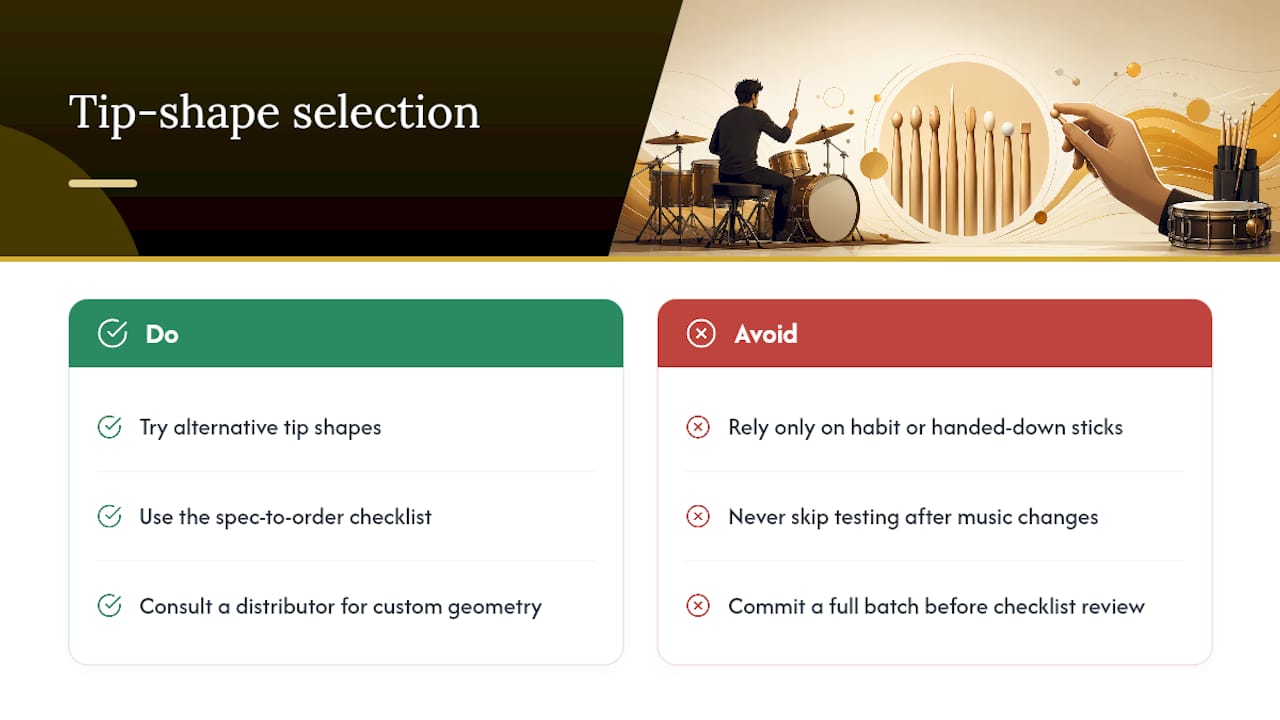
Working across a catalog of sticks and cymbals day in and day out teaches you one thing fast: drummers overthink tip shape in theory and underthink it in practice. Most players pick a shape once, based on habit or whatever their teacher handed them, and never test an alternative even when their music has changed completely since then.
A distributor familiar with these tip shapes works directly with players who want a specific tip geometry rather than whatever ships standard. If you’re weighing a custom build, the spec-to-order checklist is the right place to start before you commit to a full batch.
— Will
Get Your Hands on the Right Tip Shape
Reading about tip shapes only gets you so far. At some point you need sticks in your hands on your own cymbals to know whether a barrel tip actually cuts through your band’s mix or an acorn tip gives your ride the wash you’re after.

Templeofsound stocks British-made drumsticks and cymbals direct from London Drumstick Co. and Alchemist Cymbals, so you’re testing tip shapes against cymbals built with the same attention to detail. If your ears want something the standard lineup doesn’t cover, our custom drumstick spec checklist walks you through choosing tip radius, taper length, and exact contact area before you order a full run. Start with a small sample pair, compare it against your current sticks on the same cymbal, and go from there.
Sources
- The Different Types Of Drumsticks (And The Best To Buy) - Drumeo
- Drum stick - Wikipedia
- A guide to drumsticks - Mixdown
- How To Choose The Right Drumsticks - DRUM! Magazine