28 August 2026
Start With an 8" Splash: Splash Cymbal Size Advice for Drummers
Start With an 8" Splash: Splash Cymbal Size Advice for Drummers
Splash cymbals typically run 6" to 12" in diameter, with specialized options stretching from around 4" up to 13". An 8" splash cymbal is often considered a versatile starting point for many drummers, bright enough to cut through a mix without dominating it. If you already own a crash and a ride, this is the size to try next.
TL;DR:
- A splash cymbal’s size influences its decay and sustain, with 6" to 12" being typical, while alloy and weight further shape its sound.
- An 8" splash is versatile for most drummers, offering bright articulation suitable for various genres and fitting well with crash and ride cymbals.
- Larger sizes like 10" or 12" produce fuller sound and longer sustain, making them ideal for louder styles but risking a more crash-like behavior.
- Mounting and placement are crucial; smaller splashes need less clearance and should be positioned for comfort, while hardware choice affects durability and tone.
- Skill level and genre dictate ideal size; beginners should start with an 8" mid-weight splash, while heavier or louder styles benefit from larger, more robust options.
Table of Contents
- How Splash Cymbal Size Shapes the Sound
- Which Splash Size Should You Pick: 6", 8", 10", or 12"?
- Mounting and Placement: Making Your Splash Size Work Onstage
- How to Choose the Best Splash Cymbal Size for Your Style
- Playing Technique and Care for Splash Cymbals
- What We See Drummers Get Wrong About Splash Sizing
- Where to Find the Right Splash Cymbal Size
- Sources
How Splash Cymbal Size Shapes the Sound
Diameter is the single biggest factor in how a splash behaves, but it never acts alone. A 4" splash speaks almost instantly and decays before you can blink, while a 13" model lingers, blurring the line between splash and small crash. Between those extremes, most working drummers land in the 6" to 12" range, where pitch drops steadily as diameter climbs and sustain stretches out along with it.
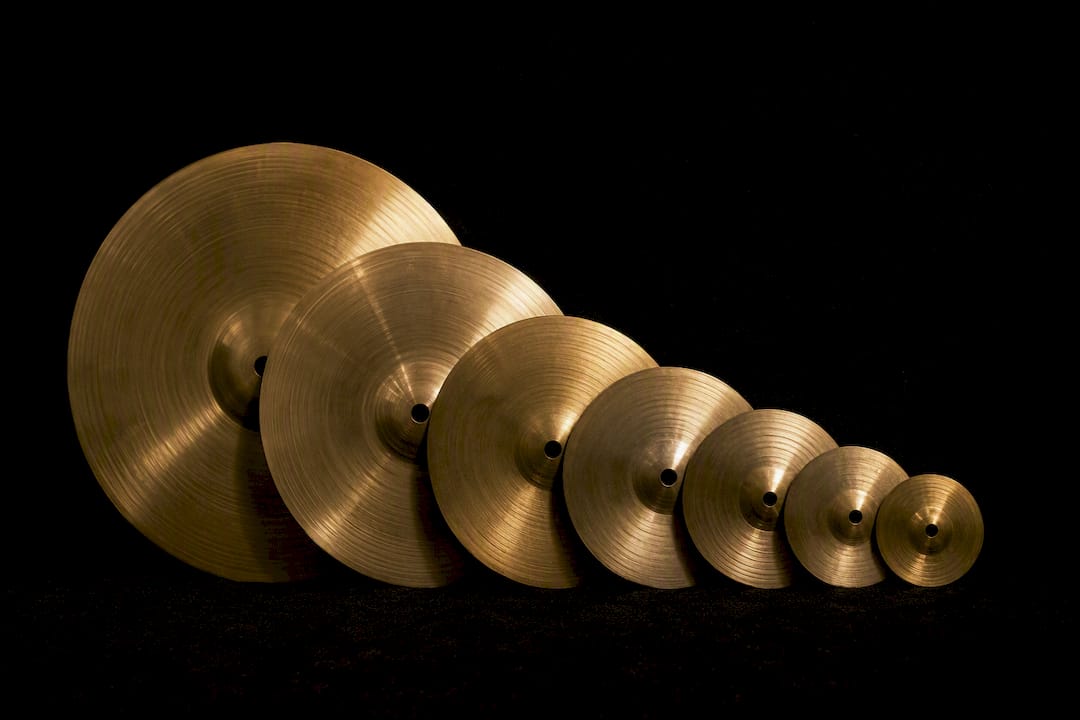
Weight and taper matter just as much as width. A thin splash with a sharp taper toward the edge responds fast and washes out quickly, which is exactly why it sounds so crisp on a record but so fragile in your hands. A heavier splash with less taper holds its pitch longer and pushes back harder against the stick, giving you a fuller, almost crash-like swell instead of a quick chirp.
Alloy plays a supporting role here too. B20 bronze, the classic 80/20 copper-tin blend used in most professional cymbals, tends to produce warmer overtones and a smoother decay than cheaper brass or B8 alloys. Pair a B20 build with a small diameter and you get something genuinely rare: a cymbal that’s both articulate and musical, not just loud.
A few things worth testing side by side when you’re demoing splashes:
- Tap the same spot on two different diameters and compare how long the note rings.
- Press a heavier and a lighter splash of the same size and notice how much slower the thick one decays.
- Ask to hear a B20 model next to a B8 model in the same diameter. The difference in warmth is immediate.
- Strike near the edge versus near the bell to hear how much the attack character shifts.
Which Splash Size Should You Pick: 6", 8", 10", or 12"?
Size dictates role almost as much as it dictates tone. Here’s how the common diameters typically get used:
- 6 inches. Bell-like, almost bright enough to sound electronic. Great for a single sharp accent in a fill or a studio overdub where you need one distinctive hit rather than a wash.
- 8 inches. The most common splash size for good reason. It’s bright and articulate but still has enough body to sit comfortably in rock, pop, funk, and session work. If you only purchase one splash cymbal, the 8" size is often recommended.
- 10 inches. Fuller and rounder than an 8", with a touch more sustain. Reach for this size when you want a splash that still reads as an accent but adds real body to the sound, not just sparkle.
- 12 inches. This is where a splash starts to blur into mini-crash territory, with noticeably longer sustain. Fusion and louder rock settings benefit from the extra volume and wash, though anything past 10" starts behaving more like a small crash than a true splash.
Thin splashes at any of these sizes crash out fast and sound gorgeous on a lightly played track, but push them too hard and they choke or distort. China-style splashes, by contrast, are built with an upturned edge that gives a trashier, more aggressive accent, useful when you want texture rather than a clean tone.
Mounting and Placement: Making Your Splash Size Work Onstage
Size decisions don’t stop at the cymbal itself. A 12" splash needs real clearance to move air and swing freely, while a 6" tucks into gaps a bigger cymbal never could. Plan your stand and boom arm layout around the diameter you’re buying, not the other way around.
Two mounting approaches dominate: a dedicated cymbal stand, which gives you full control over height and angle, and piggyback mounting, where the splash sits stacked above a crash or ride on the same stand. Piggybacking saves real floor space but it demands care. You need an extra felt washer between the two cymbals, plus a slight gap so the metal edges never touch. Skip that step and vibration will crack the smaller cymbal at the bell within months.
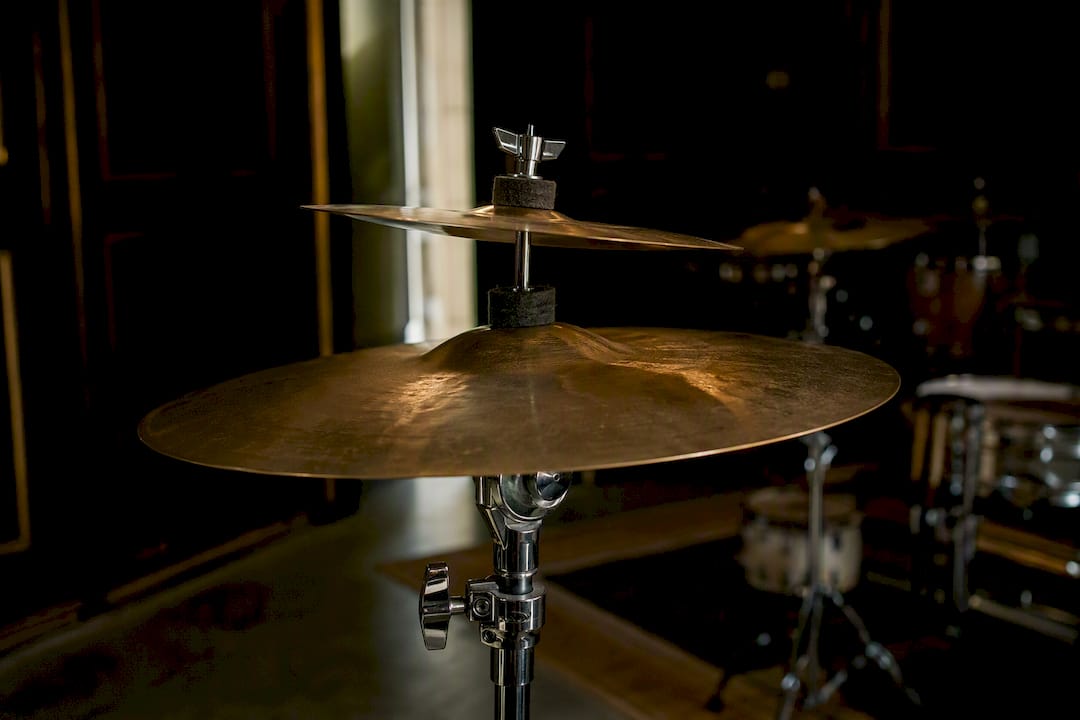
Common placement spots include between the rack toms, just left of the hi-hat, or perched above the main crash. None of these positions are sacred. What actually matters is reach and one-handed comfort, so put the splash wherever your stick naturally falls without you twisting your wrist or elbow.
A few hardware notes worth weighing before you buy:
- Boom arms give you more positioning freedom than straight stands, especially for splashes tucked between toms.
- Cheap clamps flex under repeated hits and loosen the cymbal’s angle over a set.
- If you’re recording or gigging with overhead mics, check that your splash placement doesn’t create a shadow or bump risk against the mic stand.
Pro Tip: Rotate your splash a few degrees every couple of months so the same spot doesn’t take every hit. It spreads wear evenly and extends the cymbal’s life more than people expect.
Splash size, placement, and stack choices all factor into which mounting hardware actually fits your kit, so it pays to think through the full setup before ordering a stand.
How to Choose the Best Splash Cymbal Size for Your Style
Four factors decide the right splash for you: genre, stage volume, the accent role you need it to play, and your own skill level. A loud rock or metal setting usually calls for a heavier 8" to 12" splash with enough mass to project over a full band, while jazz and fusion players often prefer a thinner 6" to 8" for quicker, more delicate accents.
Rules of thumb worth keeping in mind:
- Playing loud, amplified music? Go heavier and slightly larger, in the 8" to 12" range.
- Playing acoustic, jazz, or studio sessions? A thinner 6" to 8" gives you more nuance and control.
- New to splash cymbals? Starting with an 8" splash in a mid weight is commonly advised before exploring more specialized options.
- Recording often? Bring two or three sizes to a session and let the mix decide.
When demoing in a shop or reading specs online, listen for how fast the cymbal decays and whether the pitch feels appropriate next to your existing crash and ride. The size, weight, and shape tell you more about the actual sound than any marketing copy will. Before buying, confirm the diameter, weight class, and alloy, and if possible, strike it yourself rather than trusting a demo video.
Playing Technique and Care for Splash Cymbals
Splashes reward a light touch. Use the tip of the stick, strike at a slight angle rather than flat, and keep your stroke soft. Thin B20 splashes in particular are built for finesse, not force, and heavy strokes meant for a crash will shorten their life fast.
Mounting care matters just as much as technique. Always keep a felt washer against the bell, avoid any metal-on-metal contact, and rotate the cymbal periodically to spread out wear. If you find yourself hitting a splash the way you’d hit a crash, on the edge, with full force, that’s a sign you need a bigger cymbal, not a harder hit.
Pro Tip: If your splash keeps developing hairline cracks near the bell, check your felt washers first. Worn or missing felt is the most common cause, not a defective cymbal.
What We See Drummers Get Wrong About Splash Sizing
The most frequent mistake we hear from customers is buying a splash too heavy for how they actually play, then wondering why it sounds dull. The second most common: piggybacking without fresh felt, which cracks a cymbal in weeks. As the UK distributor for Alchemist Cymbals, we handle enough B20 splashes across sizes to know an 8" solves this for most players first.
— Will
Where to Find the Right Splash Cymbal Size
Once you know the diameter and weight you want, the harder part is finding a splash that’s actually built to that spec rather than approximated. Templeofsound stocks handcrafted B20 splashes from Alchemist Cymbals across the sizes covered in this guide, from quick 6" accents to fuller 10" and 12" options, along with the mounting hardware and felt washers that keep them cracking-free.

If you’re outfitting a full setup, Templeofsound’s membership program adds ongoing discounts across drumsticks, cymbal packs, and accessories, which matters more once you start collecting splashes in multiple sizes. Browse the current splash lineup and mounting hardware at the Templeofsound shop and match a diameter to the genre and volume you play most.
Sources
For size ranges and category definitions, the Wikipedia entry on cymbal stacks and splash cymbals cover the standard taxonomy. For mounting and placement, Drumhelper’s setup guide and DrumRadar’s placement breakdown offer practical, kit-tested examples.