13 September 2026
Drummers: Hear the Difference in 8 Bars with Nylon vs Wood Tips
Drummers: Hear the Difference in 8 Bars with Nylon vs Wood Tips
Wood tips give you a warmer, rounder tone that suits acoustic jazz, folk, and low-volume playing, while nylon tips deliver a brighter, more cutting attack and last considerably longer under heavy use. If tone and touch matter most, buy wood. If durability and consistent articulation on cymbals matter more, especially on electronic kits, buy nylon. Most working drummers eventually own both and pick per gig.
TL;DR:
- Nylon tips generally last longer than wood tips, especially under heavy use, with nylon often outlasting wood by several times in lifespan.
- The brighter, more articulate sound of nylon tips makes them ideal for loud genres like rock and metal, while wood tips suit acoustic and jazz settings for their warmer decay.
- Face-to-face testing, such as recording two patterns with each tip type, reveals more noticeable differences in cymbal decay and articulation than live playing.
- Nylon tips may contribute to increased cymbal wear over time, but technique adjustments can mitigate this risk for vintage or fragile cymbals.
- Having both tip types in a drum stick bag allows drummers to adapt quickly to different venues, genres, and technical demands.
Table of Contents
- Nylon Tip vs Wood Tip: Sound and Articulation on Cymbals and Drums
- Durability and Lifespan: How Each Tip Wears Over Time
- Cymbal Wear and Equipment Impact: Is Nylon Really Harder on Your Gear?
- Best Uses by Genre and Kit Type: Matching the Tip to the Room
- Feel and Rebound: Adjusting Your Technique Between Tips
- Maintenance, Repair, and Cost Per Use
- Where Nylon and Wood Tips Actually Came From
- Weight and Balance: Does Tip Material Actually Change How a Stick Feels?
- Environmental Considerations: Wood, Nylon, and What Sustainability Actually Means Here
- What I Pack for a Gig and Why
- Where to Find Sticks Built for Either Approach
- Sources
- FAQ
Nylon Tip vs Wood Tip: Sound and Articulation on Cymbals and Drums
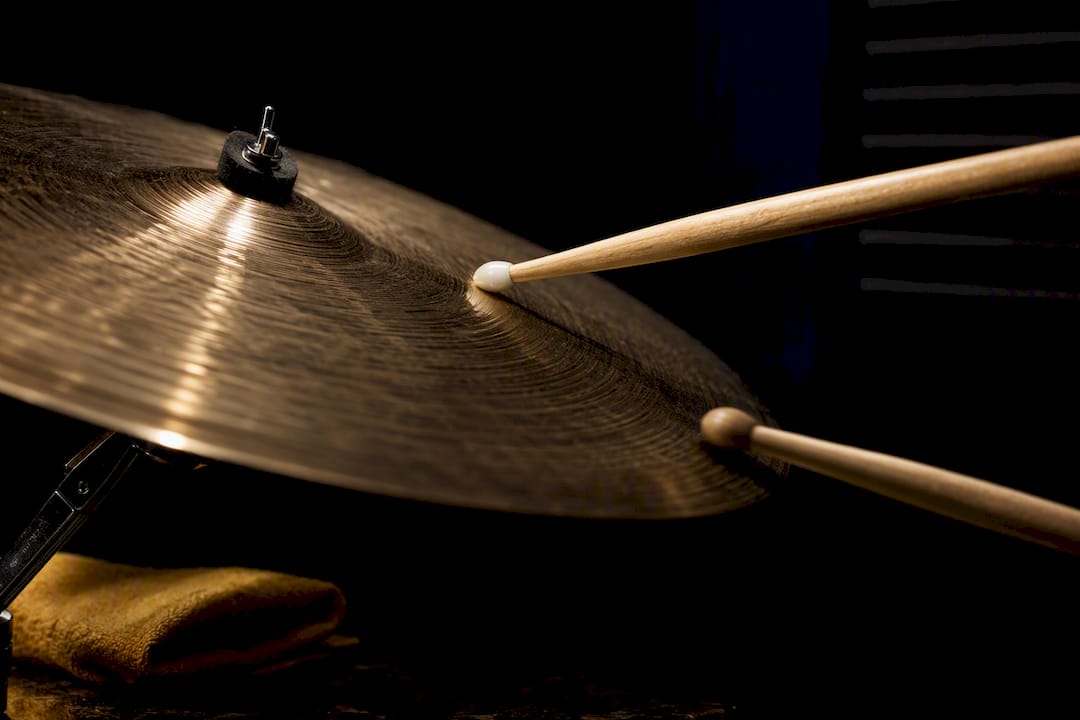
The tonal difference isn’t subtle once you know what to listen for. Wood tips flex slightly on contact, which softens the transient and spreads energy across a broader range of frequencies. That’s why a wood tip on a ride cymbal produces a wash that blooms outward rather than a sharp “ping.” Nylon, being harder and non-absorbent, transfers energy to the cymbal or drumhead almost instantly, producing a tighter, higher-pitched attack with less overtone smear.
Nylon tips produce a brighter, more articulate cymbal sound than wood, which explains why so many session drummers reach for nylon when a mix needs a stick pattern to cut through dense guitars or synths without EQ tricks. Wood, by contrast, sits back in a mix. It flatters a cymbal’s natural harmonics instead of fighting them.
Tip shape complicates the picture. A round wood tip and an oval nylon tip of similar size will sound different from each other, but so will a round nylon tip compared to an oval nylon tip. Tip geometry interacts with material to shift where the emphasis falls: teardrop shapes tend to focus energy into a smaller contact zone for a crisper hit, while barrel and acorn shapes spread contact for a rounder sound regardless of material. This is why swapping only the material and expecting a predictable tonal shift sometimes fails. The shape can override or blend with the material’s natural character.
Here’s what to listen for when comparing:
- Ride bell: Wood gives a duller “thunk”; nylon gives a sharper, more sustained “ping.”
- Hi-hat chick: Nylon articulates cleaner on quick, closed patterns; wood rounds off fast strokes slightly.
- Crash decay: Wood tends to shorten the initial attack and let the crash bloom naturally; nylon accentuates the strike before the wash takes over.
- Snare rim work: Wood feels and sounds warmer on rim shots; nylon produces a sharper crack.
Pro Tip: Run a simple A/B test at your next rehearsal. Play the same eighth-note ride pattern for eight bars with a wood tip, then switch to nylon without changing dynamics. Record both passes on your phone and listen back. The difference in cymbal decay and note separation is usually more obvious on playback than it is live.
Genre expectations track directly with this tonal split. Jazz and acoustic folk settings lean wood because the warmer decay blends into a quieter ensemble. Rock, metal, and pop settings often lean nylon because the brighter attack survives amplification and cuts through a full band mix. Neither choice is “correct” in an absolute sense. It’s a decision about which frequencies you want the audience or the microphone to catch first.
Durability and Lifespan: How Each Tip Wears Over Time
Wood tips fail in three predictable ways: chipping, flattening, and splintering. A chip usually starts small, at the edge of the tip, and grows every time the stick strikes a hard surface at an angle. Flattening happens gradually. The rounded tip compresses and wears into an oval or flat shape, which changes both the feel and the sound of every stroke, usually without the player noticing until the tone has drifted noticeably. Splintering is the end stage. Once wood starts to separate at the grain, the stick needs to be retired regardless of how the rest of it looks.
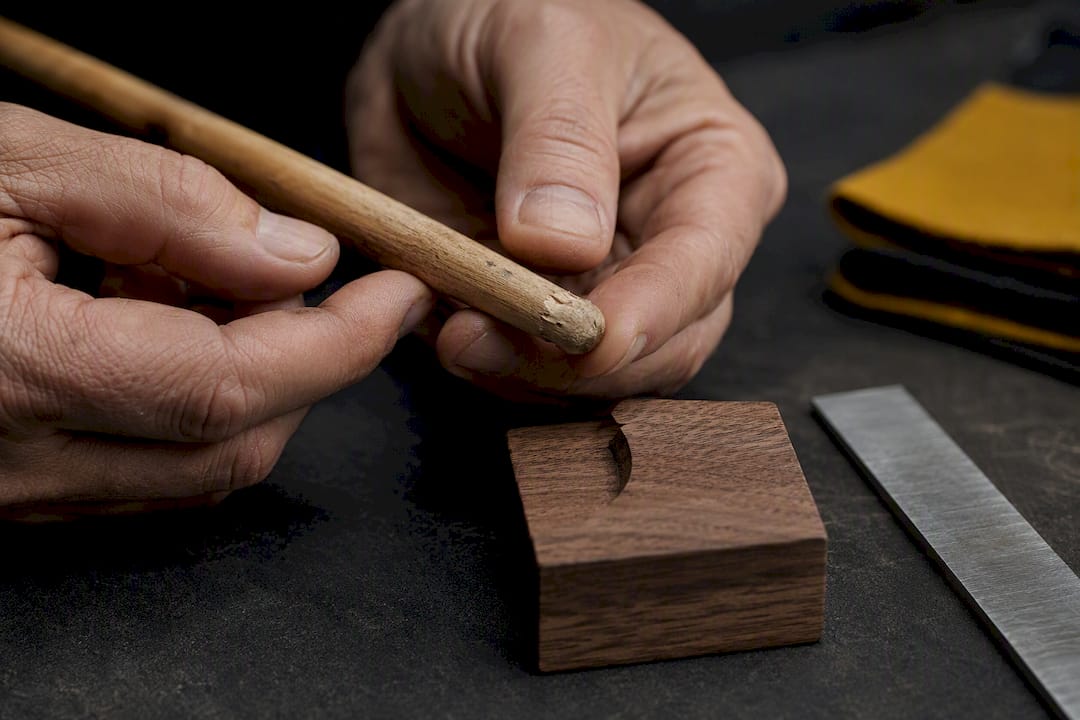
Nylon tips resist chipping almost entirely and hold their shape far longer than wood because the material doesn’t compress or splinter the same way. The main failure mode is different: under very heavy, sustained use, a nylon tip can separate from the shaft at the glue joint. It’s a less common failure than wood wear, and when it happens, it’s usually fixable rather than fatal.
Realistic lifespan expectations vary a lot by player intensity:
- Light players (practice pads, low-volume rehearsal): Wood tips last noticeably shorter than nylon tips, which endure significantly longer under light use.
- Moderate players (regular gigging, standard rock/pop dynamics): Wood tips typically wear faster than nylon tips, which generally outlast wood considerably under similar conditions.
- Heavy hitters (metal, aggressive fusion, high-volume acoustic rooms): Wood tips frequently require replacement quickly, while nylon tips hold up substantially longer before separation becomes a concern.
If a nylon tip does separate, it’s usually repairable rather than a reason to toss the stick. A small amount of appropriate wood or plastic adhesive applied carefully in a controlled setting can restore the attachment without meaningfully changing the stick’s balance. Wood damage, on the other hand, can’t be undone. Once a wood tip chips or splinters, sanding it smooth is a temporary fix at best, and it changes the stick’s original diameter and feel.
Pro Tip: If a nylon tip separates mid gig, don’t glue it back on before you know what caused it. Check the shaft near the joint for cracks first. Gluing a tip back onto a compromised shaft just delays a stick failure that could happen at a worse moment.
Cymbal Wear and Equipment Impact: Is Nylon Really Harder on Your Gear?
Harder material does more work on impact, and that’s the honest starting point. Nylon tips can, over long-term aggressive playing, contribute to increased wear or abrasion on cymbal surfaces compared to wood, particularly on ride bells and crash edges that take repeated direct hits. This isn’t a reason to panic about your cymbals, but it’s worth understanding if you own anything vintage, hand hammered, or otherwise fragile.
The good news is that most of this risk is manageable through technique rather than material choice alone.
- Adjust your attack angle. Striking a cymbal at a steeper angle concentrates force into a smaller area; a flatter, more glancing stroke spreads the impact and reduces localized wear.
- Choose tip size deliberately. A smaller, pointed nylon tip concentrates energy more than a larger, rounded one of the same material.
- Rotate your cymbals in the setup periodically so the same few square inches aren’t absorbing every ride pattern you play.
- Let technique do the work instead of arm strength. A relaxed stroke with good rebound produces plenty of volume without unnecessary force on the bell or edge.
If you own a vintage or hand-hammered cymbal you want to protect long term, wood tips are the gentler default, and a lighter touch matters more than the stick itself. This is also where players sometimes discover that a wood-tip stick from a line like the ones compared in hickory versus maple drumsticks changes the equation again, since wood species itself affects how much flex absorbs the shock before it ever reaches the cymbal.
Best Uses by Genre and Kit Type: Matching the Tip to the Room
Picking a tip isn’t really about brand loyalty. It’s about matching material to the room, the genre, and the kit you’re actually playing.
- Jazz, acoustic folk, and small ensemble work. Wood tips fit here because the warmer decay blends into quieter arrangements without dominating the cymbal wash. A brush-adjacent feel matters more than raw volume.
- Rock, pop, and function band gigs. Nylon tips generally win because the brighter attack survives stage volume and PA competition. The cymbal work stays articulate even when the guitars are loud.
- Metal and high-intensity fusion. Nylon again, largely for durability reasons as much as tone. A wood tip won’t survive an aggressive metal set nearly as long as nylon will.
- Recording sessions. This depends entirely on the mix. A warmer wood tip can sit better in a sparse acoustic recording, while nylon gives an engineer a cleaner transient to work with on a busier track. Worth testing both through the monitors before committing, an approach that matters even more once you’re working in a compact space, as covered in this guide to building a home studio setup for anyone recording drums in a smaller room.
- Electronic kits and triggering. Nylon tips are the near universal choice here. Mesh pads and trigger sensors respond to a consistent, bright attack far more reliably than the softer, more variable strike of a worn wood tip. If you’re gigging on a hybrid kit, nylon removes a layer of inconsistency you don’t want to troubleshoot on stage.
The most practical approach, and the one most working drummers land on eventually, is to pack both. Bring your primary pair for the room you’re playing, a backup of the same type, and one pair of the other material in case the venue, the bandleader, or the sound engineer asks for something different. A five-minute soundcheck A/B, same pattern, same dynamics, tip swapped mid-check, tells you more than any spec sheet.
Feel and Rebound: Adjusting Your Technique Between Tips
The tactile difference between wood and nylon shows up the moment you pick up the stick, not just when you hear it. Wood has a slightly softer, more organic rebound that changes as the tip wears; a flattened wood tip rebounds differently than a fresh one, which is part of why experienced players retire sticks before they look obviously damaged. Nylon’s rebound stays consistent over the stick’s life because the material doesn’t deform the same way.
That consistency has a real playability benefit. Nylon’s faster, more predictable rebound tends to favor speed work, buzz rolls, and rapid single strokes where you’re relying on the stick to do part of the work. Wood requires slightly more active control from the wrist and fingers to maintain the same speed, which some players prefer because it keeps them more physically connected to dynamics.
If you’re switching between the two regularly, a couple of short drills help recalibrate your hands fast:
- Single-stroke speed ladder. Play single strokes at a fixed tempo for one minute with wood, then immediately repeat with nylon at the same tempo. Notice where your hands compensate for the rebound difference.
- Ghost note control. Play a bar of quiet ghost notes into accents on the snare with each tip material back to back. Nylon tends to expose inconsistent ghost notes more clearly because there’s less natural softening from the material itself.
Stick diameter and shoulder shape factor into feel just as much as tip material, which is worth remembering if you’re also deciding between weights, a topic covered in more depth in this comparison of 5A versus 5B drumsticks.
Maintenance, Repair, and Cost Per Use
A quick pre-gig inspection takes under a minute and saves you from a mid-set failure. Check each stick for hairline cracks near the tip, roll it on a flat surface to check for warping, and press gently on the tip to feel for any looseness at the glue joint.
If a nylon tip has separated, a small drop of a suitable adhesive applied in a controlled setting usually restores the bond without throwing off the stick’s balance. Clamp it, let it cure fully before playing, and don’t rush the process before a show. If the shaft itself shows any cracking, discard the stick. A repaired tip on a compromised shaft is not worth the risk.
- Inspect tips and shafts before every gig, not just when something feels off.
- Keep a repair kit (adhesive, a small clamp, sandpaper) in your stick bag.
- Retire wood sticks once flattening changes the rebound noticeably, even if they look intact.
On cost per use, nylon’s higher upfront price usually pays for itself for heavy players. If a wood pair lasts two weeks of regular gigging and a nylon pair lasts two months at a similar price point, the math favors nylon even before factoring in fewer mid-set stick changes. For details on extending stick life generally, our guide to drumstick maintenance covers storage and rotation habits worth adopting either way.
Where Nylon and Wood Tips Actually Came From
Wood tips are the original design. Early drumsticks were carved as a single piece of wood, tip included, because that’s simply how the instrument was made before synthetic materials existed. For most of drumming’s modern history, wood tips weren’t a stylistic choice. They were the only option.
Nylon tips entered the picture in the mid-20th century as drum manufacturers looked for a way to solve wood’s biggest weakness: inconsistent wear. As drum kits found their way into louder, amplified settings through the 1950s and 1960s, and as recording engineers started caring more about consistent articulation take after take, a durable synthetic tip that didn’t chip or flatten became genuinely useful rather than a novelty.
The timing lines up with the broader shift toward louder ensemble playing generally. As rock and pop grew in scale, drummers needed sticks that produced predictable results under a mic and held their shape through longer sets. Nylon answered a practical problem, not an aesthetic one, and that’s part of why it never fully replaced wood. The two materials solve different problems, and both problems are still real for drummers today. It’s why manufacturers, including specialists working with different wood species like hickory and maple, continue producing both tip types side by side rather than treating one as obsolete.
Weight and Balance: Does Tip Material Actually Change How a Stick Feels?
Tip material contributes a small amount of weight difference, but it’s rarely the dominant factor in how a stick balances. Wood tips are part of the same solid piece as the shaft, so their mass is proportional to the stick’s overall taper and wood density. Nylon tips are a separate, lightweight cap fitted onto the shaft, which means the stick’s balance point depends more on the wood used for the body than on the tip itself.
What this means practically is that a nylon-tip and wood-tip version of the same stick model, same shaft, same taper, same wood species, will feel remarkably similar in the hand in terms of raw balance. The difference you feel when switching tips is mostly about rebound and contact response, not overall weight distribution. If you notice a bigger balance shift between two sticks, it’s more likely coming from the wood species or the taper design than the tip material.
This is exactly why stick selection benefits from separating two decisions: pick the wood and taper for weight and balance first, based on your preferred feel, covered well in a side-by-side look at oak versus hickory sticks, and then pick the tip material second, based on the tone and durability you need for the gig. Treating them as one combined decision leads a lot of drummers to blame the wrong variable when a new stick feels off.
Environmental Considerations: Wood, Nylon, and What Sustainability Actually Means Here
Wood tips come from a renewable resource, and hickory in particular is a fast-growing hardwood widely used across the drumstick industry specifically because it regenerates well compared to slower-growing alternatives. The environmental cost of a wood stick is mostly tied to how it’s sourced and how often it needs replacing, and this is where wood’s shorter lifespan actually works against it. A stick that chips and gets discarded every few weeks generates more waste over a year than a longer-lasting alternative, even though the raw material itself is biodegradable.
Nylon tips are a petroleum-derived plastic, which raises the obvious question of end-of-life disposal since nylon doesn’t break down naturally the way wood does. The offsetting factor is longevity. A nylon tip that lasts multiple times longer than a wood tip before needing replacement can mean fewer discarded sticks overall, even if each individual nylon component itself doesn’t biodegrade.
Neither material offers a clean, obvious environmental win, and any brand claiming otherwise is oversimplifying a real trade-off between renewable-but-disposable and durable-but-synthetic. For a drummer who cares about their footprint, the most practical lever isn’t picking a side. It’s buying fewer sticks overall by maintaining the ones you have, rotating pairs so wear spreads evenly, and retiring sticks based on actual damage rather than habit.
What I Pack for a Gig and Why
I don’t treat this as a permanent allegiance to one material. My stick bag has a primary pair matched to whatever room I’m playing that night, a backup pair of the same type, and one spare pair of the other material in case the setlist, the venue, or another player asks for something I didn’t plan for. That third pair has saved more than one gig where a quieter acoustic set got added last minute.
Before a soundcheck, I run a quick two-stroke test: same pattern on the ride, same dynamic, wood first, then nylon, swapped mid-phrase so the ear catches the shift directly rather than relying on memory. If the room needs the mix to cut, nylon wins that night. If the room rewards subtlety, wood wins. Durability only becomes the deciding factor when I know the set is going to be long and physical regardless of genre. Tone loses to survival on those nights, and that’s a fair trade.
— Will
Where to Find Sticks Built for Either Approach
A partnership exists to offer options in tip choice rather than a single default. Whether you’re chasing the warm decay of a wood tip for a jazz trio or the durability of nylon for a five night rock run, having both available from a single trusted source removes the guesswork of matching wood species, taper, and tip material to your actual playing style.

A few places to start if you’re narrowing down your next pair:
- Compare wood species side by side in hickory versus maple drumsticks before deciding on tip material.
- Read up on proper stick maintenance to get more gigs out of whichever pair you choose.
- Browse the current range directly at Temple of Sound to see wood and nylon tip options from London Drumstick Co. side by side.
If you’re still unsure which tip suits your kit and genre, reach out through the site. Getting the right stick in your hands before a big gig beats guessing on stage.
Sources
- A guide to drumsticks: tip shape, taper, weight and material — Mixdown
- Wood vs Nylon Tip Drumsticks: Essential guide — WoodworkingAdvisor
- How drumstick tips can affect your sound — Sound Pure
- Nylon-Tip Drumsticks: The Ultimate Guide for Drummers — CCDrums
FAQ
Who Uses Nylon Tip Drumsticks?
Rock, pop, and metal drummers use nylon tips most often for their brighter attack and longer lifespan, and electronic drummers rely on them almost exclusively because they trigger pads more reliably than wood.
Why Do Some Drumsticks Have Nylon Tips?
Manufacturers added nylon tips to solve wood’s tendency to chip and wear unevenly, giving drummers a tip material that holds its shape and sound far longer under heavy use.
What Is the Best Drumstick Tip?
There’s no universal answer. Choice depends on playing style and context, since neither tip is objectively superior; wood suits warmth and acoustic settings, nylon suits durability and cutting articulation.
Are Nylon Tip Drumsticks Better for Electronic Drums?
Yes. Nylon’s consistent, bright attack triggers mesh pads and sensors more predictably than wood, which is why it’s the standard recommendation for hybrid and fully electronic kits.
How Long Does a Wood Tip Last Compared to Nylon?
Wood tips typically chip or flatten faster under regular playing, while nylon tips resist chipping and maintain their shape considerably longer, making nylon the more cost-effective choice for heavy players over time.